Table of Contents
1. Introduction
2. Understanding Danfoss Turbocor Compressors
3. Common Issues and Troubleshooting Steps
4. Advanced Troubleshooting Techniques
5. Preventive Maintenance Tips
6. Conclusion
Introduction
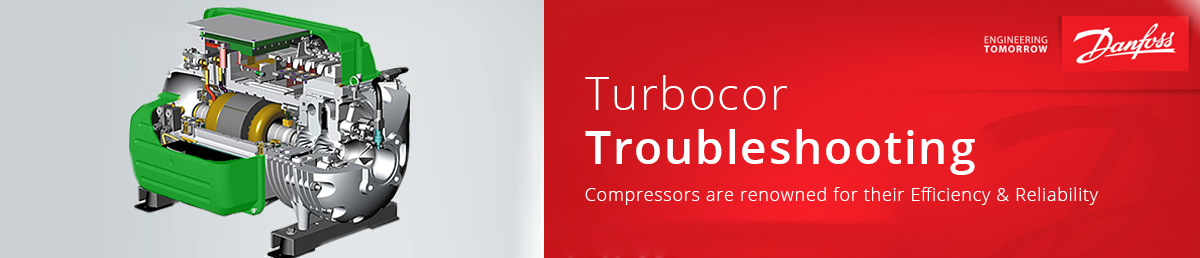
Danfoss Turbocor compressors are renowned for their efficiency, reliability, and innovative design in the HVAC industry. These oil-free, magnetic-bearing compressors offer numerous advantages, including energy savings, reduced maintenance costs, and environmental benefits. However, like any advanced technology, they can encounter issues that require troubleshooting. This blog will guide you through common problems and their solutions, helping you maintain the optimal performance of your Danfoss Turbocor compressors.
Understanding Danfoss Turbocor Compressors
Danfoss Turbocor compressors are unique due to their oil-free design and magnetic bearings, eliminating mechanical friction and reducing maintenance needs. They are highly efficient, with variable speed control allowing precise capacity modulation. Understanding these basic features is essential for effective troubleshooting.
Common Issues and Troubleshooting Steps
Compressor Not Starting
One of the most common issues is the compressor not starting. This can be due to several reasons like ensuring the power supply is stable and within the required voltage range. Check all electrical connections for any loose or damaged wires. Verify that the control system is functioning correctly. Check for any fault codes displayed on the control panel and refer to the manual for their meanings. Inspect safety switches, such as high-pressure or low-pressure switches, to ensure they are not tripped.
Buy Now Quality Danfoss Spare Parts @PartsAPS
Unusual Noise or Vibrations
Unusual noises or vibrations can indicate mechanical or operational issues Since Danfoss Turbocor compressors use magnetic bearings, any noise could indicate a problem with the bearing system. Check for alignment issues or damage to the magnetic bearings. Ensure there are no foreign objects inside the compressor. Even small debris can cause significant noise and damage.
Overheating
Overheating can reduce the efficiency and lifespan of your compressor. Check the cooling system for blockages or leaks. Ensure the cooling fans and heat exchangers are clean and operating correctly. Low refrigerant levels can cause overheating. Check for any leaks in the refrigerant lines and ensure the system is adequately charged.
Poor Performance
If your compressor is not performing as expected, consider the following. Verify that the control settings are appropriate for the current load conditions. Incorrect settings can lead to sub-optimal performance. Ensure regular maintenance is performed according to the manufacturer’s guidelines. This includes cleaning filters, checking oil levels (if applicable), and inspecting electrical components.
Advanced Troubleshooting Techniques
Diagnostic Software
Danfoss provides diagnostic software tools that can help identify and resolve issues more efficiently. These tools can read fault codes, monitor system parameters in real time, and provide detailed analysis.
Regular Monitoring

A regular monitoring system can help detect issues before they become serious problems. Use sensors and monitoring tools to track performance metrics such as temperature, pressure, and vibration levels.
Preventive Maintenance Tips
Order Online Best Danfoss Replacement Parts @PartsAPS
Preventive maintenance is crucial to ensure the longevity and efficiency of your Danfoss Turbocor compressors. Scheduled Inspect Regularly inspect your compressor for any signs of wear or damage. Address minor issues promptly to prevent them from escalating. Keep all components clean, including filters, heat exchangers, and cooling fans. Accumulated dirt and debris can significantly impact performance. Ensure your diagnostic and control software is up to date. Software updates often include important improvements and bug fixes.
Conclusion
Danfoss Turbocor compressors are a vital component in many HVAC systems, offering unmatched efficiency and reliability. By understanding common issues and implementing effective troubleshooting and maintenance practices, you can ensure your compressors operate at peak performance. Regular monitoring and preventive maintenance are key to avoiding costly downtime and extending the life of your equipment. Additionally, having a good stock of HVAC parts and accessories on hand can facilitate quicker repairs and less downtime. Stay proactive, and your Danfoss Turbocor compressors will continue to deliver exceptional performance for years to come.
Related Content
1. How To Reset Danfoss Thermostat 2. Danfoss Scroll Compressor Troubleshooting
3. Danfoss Thermostat Troubleshooting 4. Danfoss BD35F Compressor Troubleshooting